
What A Broken Camera Taught Us About Speed
We rely on complex B2B sales methodologies to justify our value. Yet, a simple warranty claim on a non-essential camera exposed a painful truth: our definition of speed is dangerously outdated.
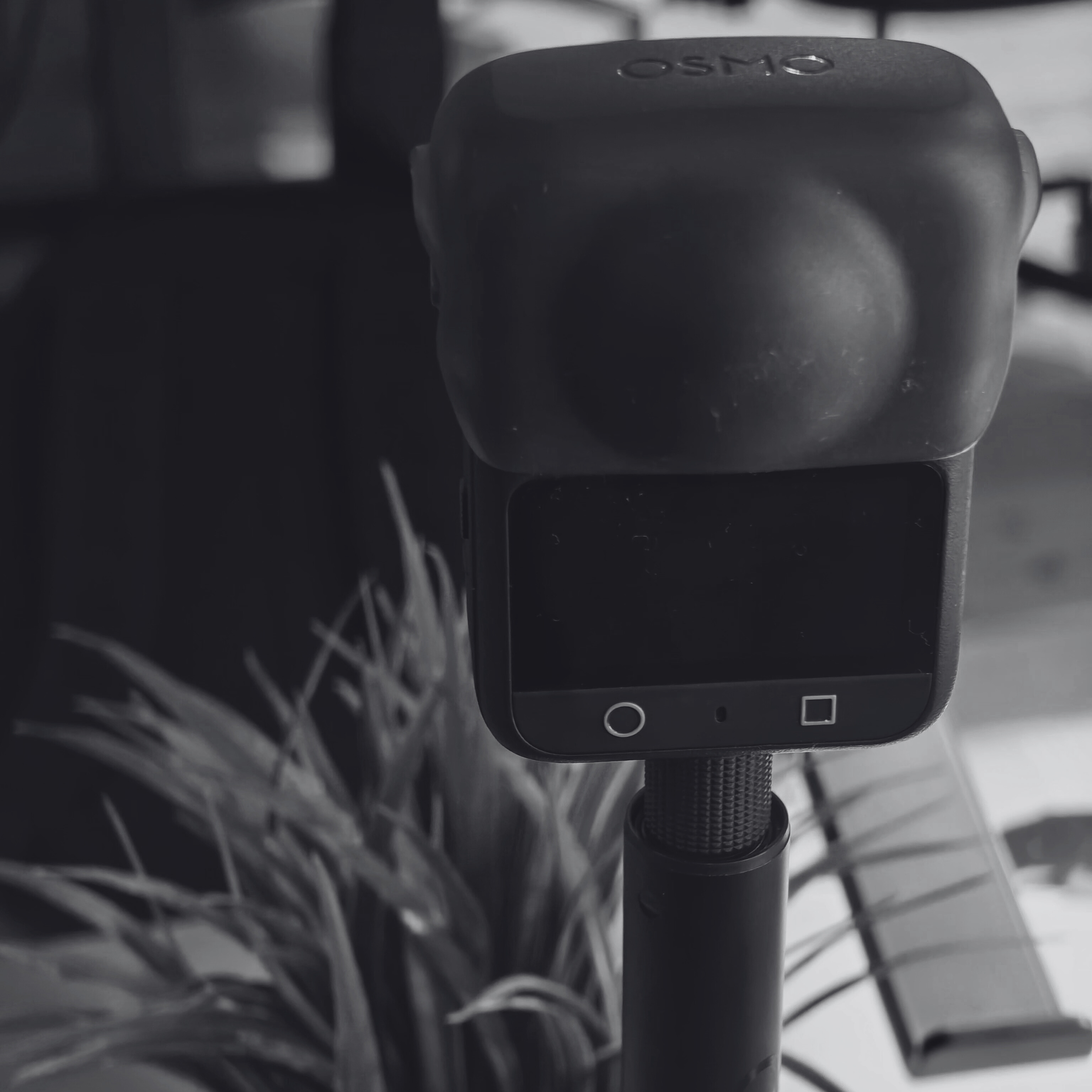
We broke a camera. It was not a disaster.
It was a DJI 360-degree camera. While useful for specific content angles, it is not the engine of our business. If it sits in a drawer for a month, we do not lose revenue. The world keeps turning.
When we logged the warranty claim for a scratched lens, we treated it with the casual indifference of a low-priority task. We expected the standard industry dance: a web form, a three-day wait for an acknowledgement, and a replacement sometime next month. We were ready to wait because, frankly, it didn't matter.
We were wrong.
Less than 48 hours after we hit "send" on a non-urgent claim, a replacement unit was on our desk.
The Humiliation of Excellence
To be honest, this experience was embarrassing.
Here we are, professionals in the high-stakes world of B2B sales. We preach responsiveness. We build strategies around agility. Yet, a company selling consumer electronics to hobbyists just out-performed half the sales directors in our network.
DJI did not know the camera wasn't critical to us. They simply have a process that does not distinguish between "urgent" and "routine."
In the Nordic market, we pride ourselves on efficiency. We like to think we are faster and more pragmatic than the rest of Europe. But look at your own pipeline. How many "non-critical" leads are sitting in a "to-do" folder right now? How many inquiries arriving on Friday afternoon are waiting until Monday because the deal isn't big enough to ruin your weekend?
The Fallacy of Prioritisation
We are taught to prioritise. We rank leads by value, urgency, and likelihood to close. This is logical, but it breeds complacency.
When you decide that a lead is "low priority," you give yourself permission to be slow. You lower your standard. The problem is that habits are fluid. If you are slow with the small leads, you develop a culture of slowness. You cannot be a sluggish organisation on Tuesday and a lightning-fast organisation on Wednesday just because a bigger deal walked in the door.
Research consistently shows that the odds of qualifying a lead drop by 80% after just five minutes. Yet, many B2B teams operate on a "24-hour response" SLA and pat themselves on the back.
DJI replaced our non-critical camera in 48 hours because their system is fast. They didn't hustle because they liked us. They hustled because they don't know how to go slow.
Speed is a culture, not a switch
If your sales team needs a "hot lead" to motivate them to pick up the phone, you have lost. Excellence is not about rising to the occasion; it is about the baseline you hold when nobody is watching.
If you treat a casual enquiry with the same ferocity as a tender deadline, you shock the market. You stand out. In a sea of vendors who are "too busy" to reply, the one who replies instantly becomes the authority.
The 360-Degree View
There is a poetic irony in the fact that this was a 360-degree camera. This technology sees everything. It has no blind spots.
Your clients have a 360-degree view of your company. They don't just judge the pitch meeting. They judge how you handle the admin. They judge how fast you send the calendar invite. They judge the "non-critical" interactions.
If there is a scratch on the lens of your process - a delay, a forgotten email, a clumsy handover - it distorts the whole picture.
The Monday Morning Audit
We see this constantly at We Do Follow-Up. Companies hire us to fix their closing technique, but the problem is usually their operating rhythm.
To bring this lesson home, run this simple audit on your sales process tomorrow:
- The "Junk" Test: Find a lead from last week that was disqualified or marked as "low priority." Check the timestamp of their first contact versus your first response. If it is over 2 hours, you have a culture problem.
- The Friday Trap: Check your CRM for inquiries that came in after 14:00 on Friday. Were they answered immediately, or are they scheduled for Monday? Speed does not take weekends off.
- The Form Friction: Fill out your own "Contact Us" form. How many seconds does it take? If you have to prove you are not a robot twice and fill in 12 fields, you are telling the client you don't value their time.
The camera wasn't business critical to us. But the service experience became business critical to our perception of the brand.
Stop judging the lead. Start judging your own process.